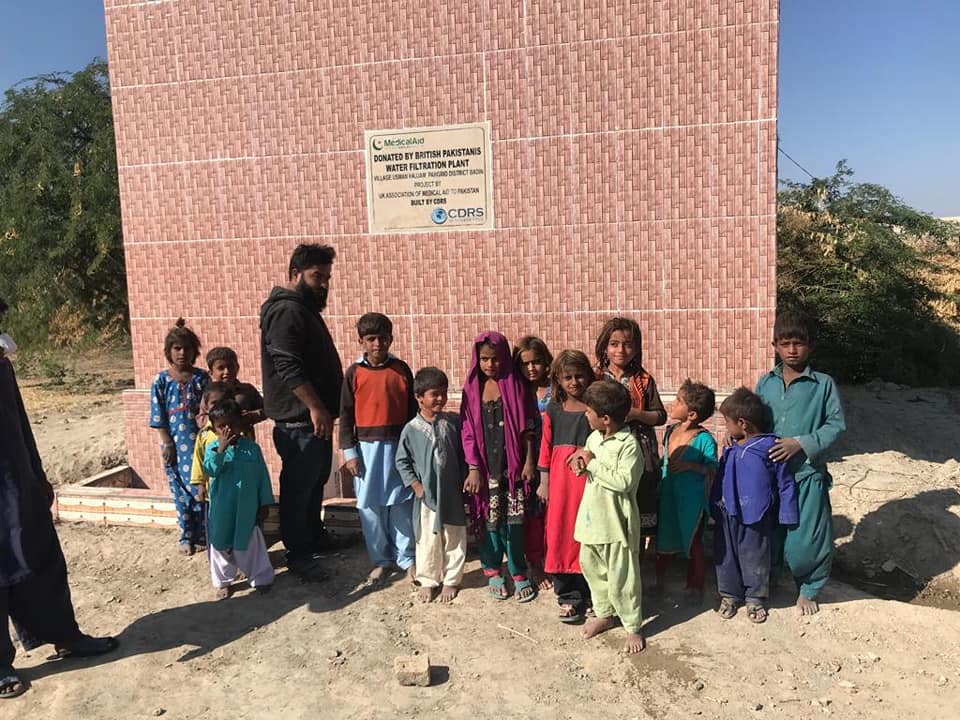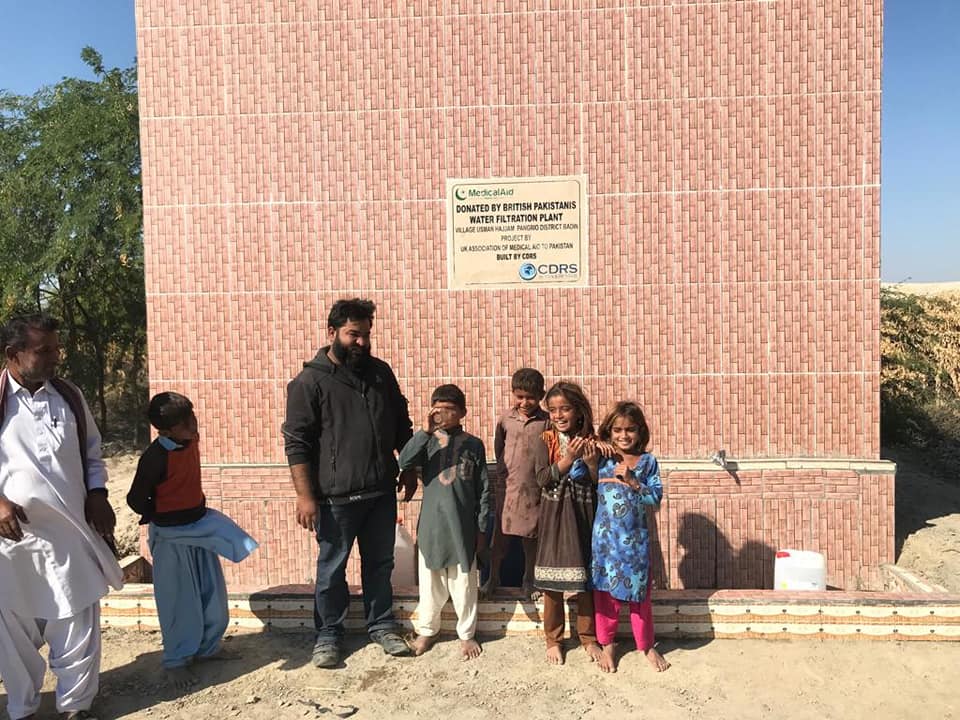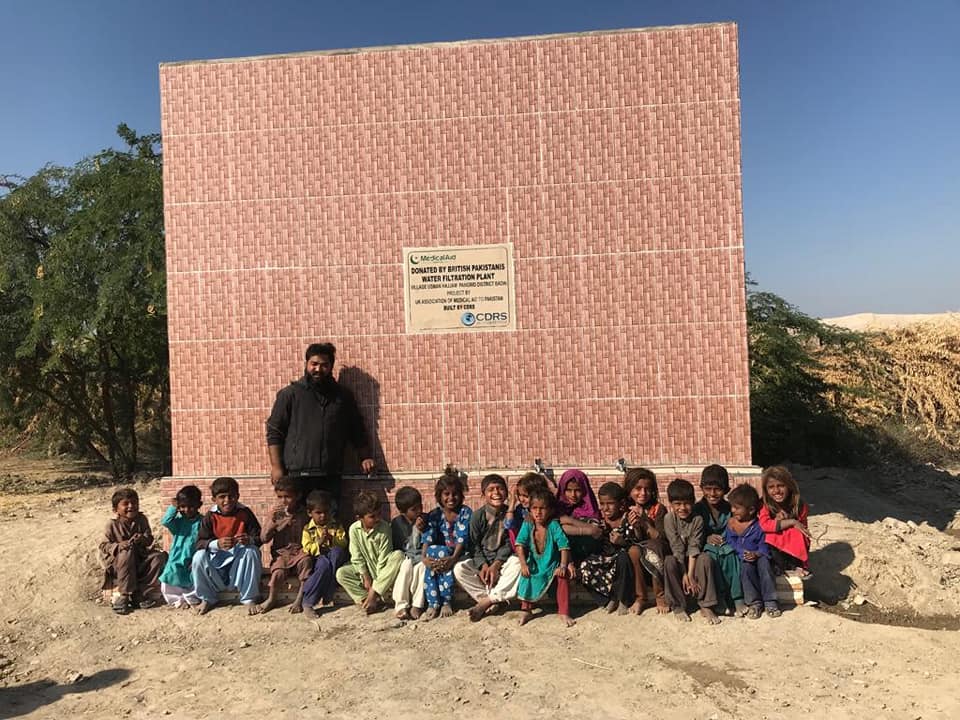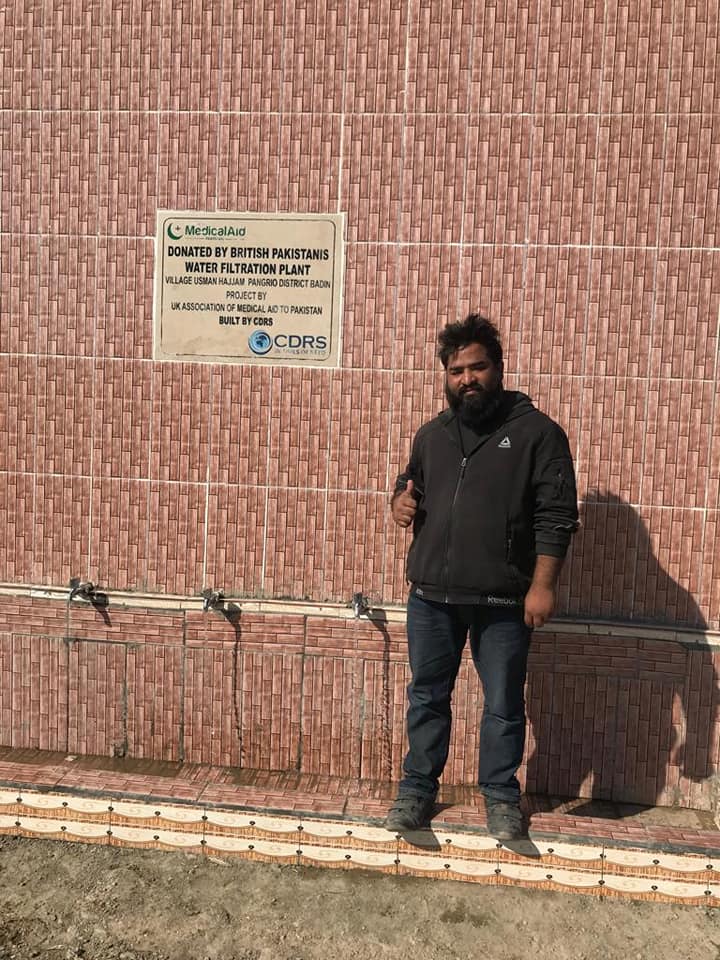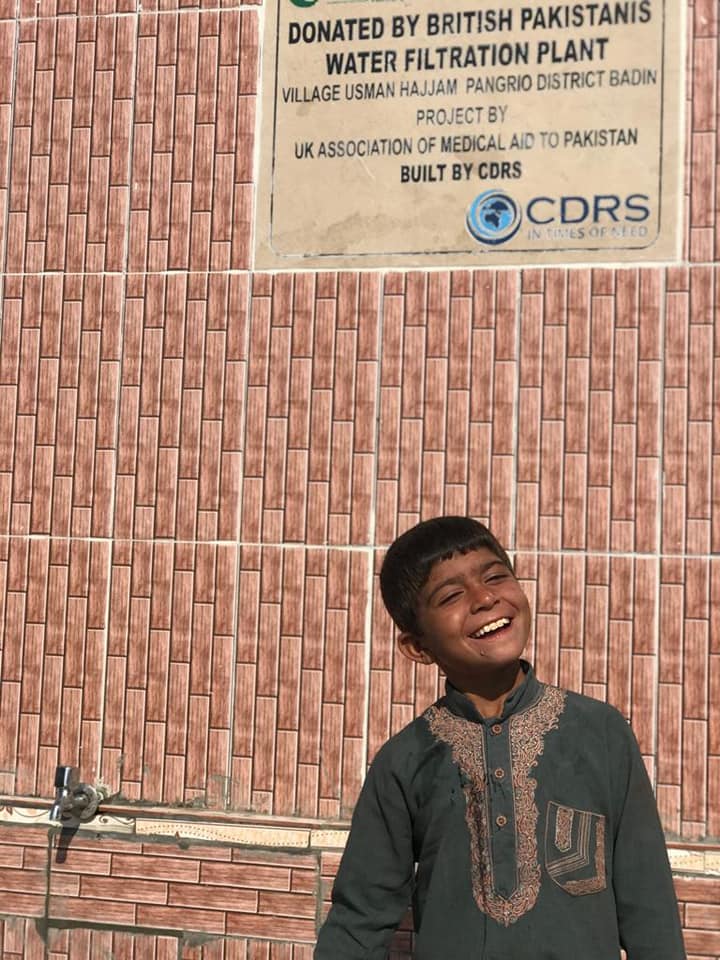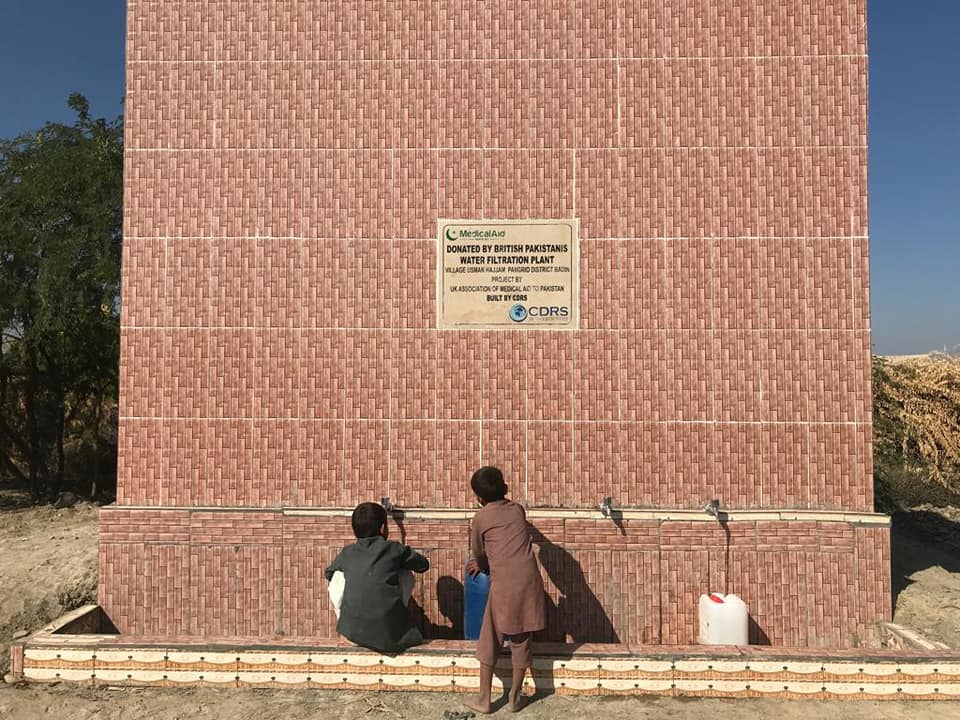
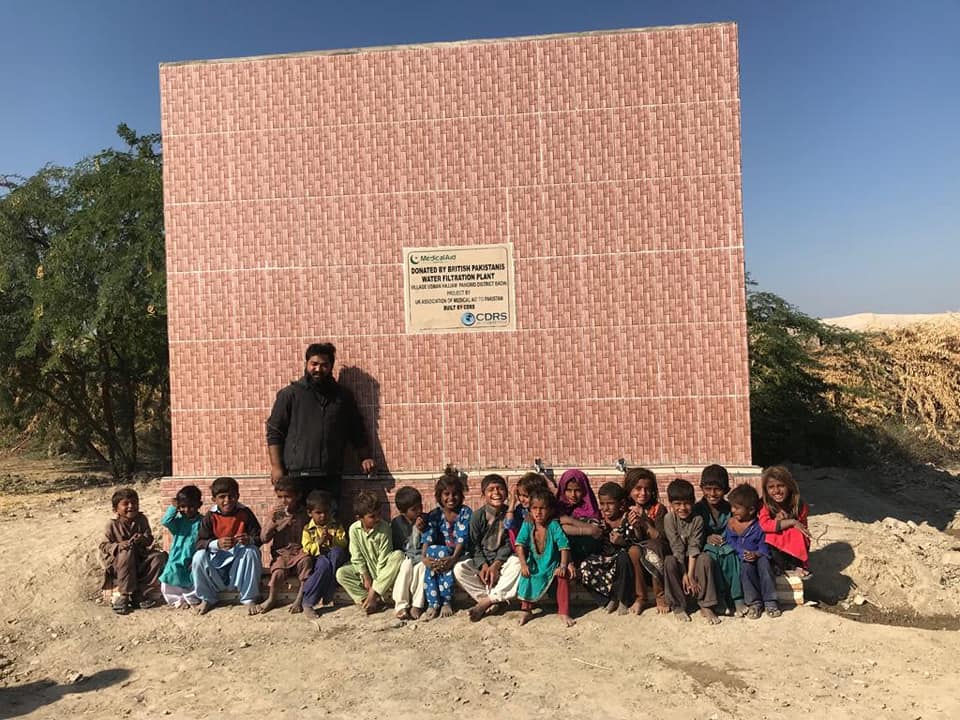
Location: Village Usman Hajjam, Badin, Sindh
Project Description:
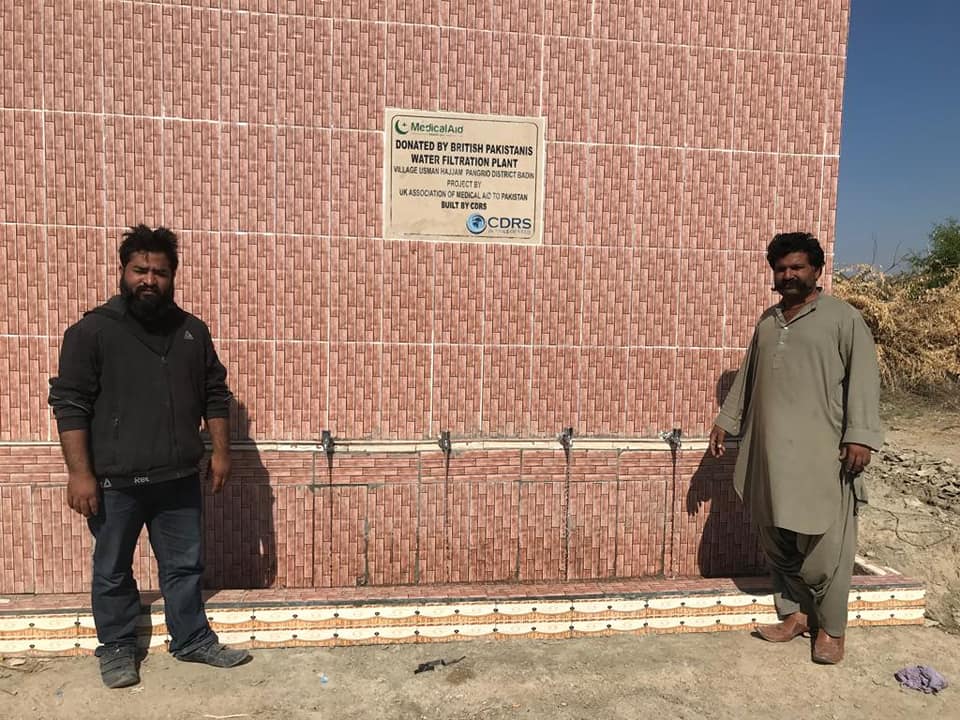
Badin District in Sindh suffers from acute water salinity and contamination, particularly in low-lying and coastal areas where groundwater is often brackish and unfit for drinking. Many households previously relied on unsafe water sources, with limited alternatives available.
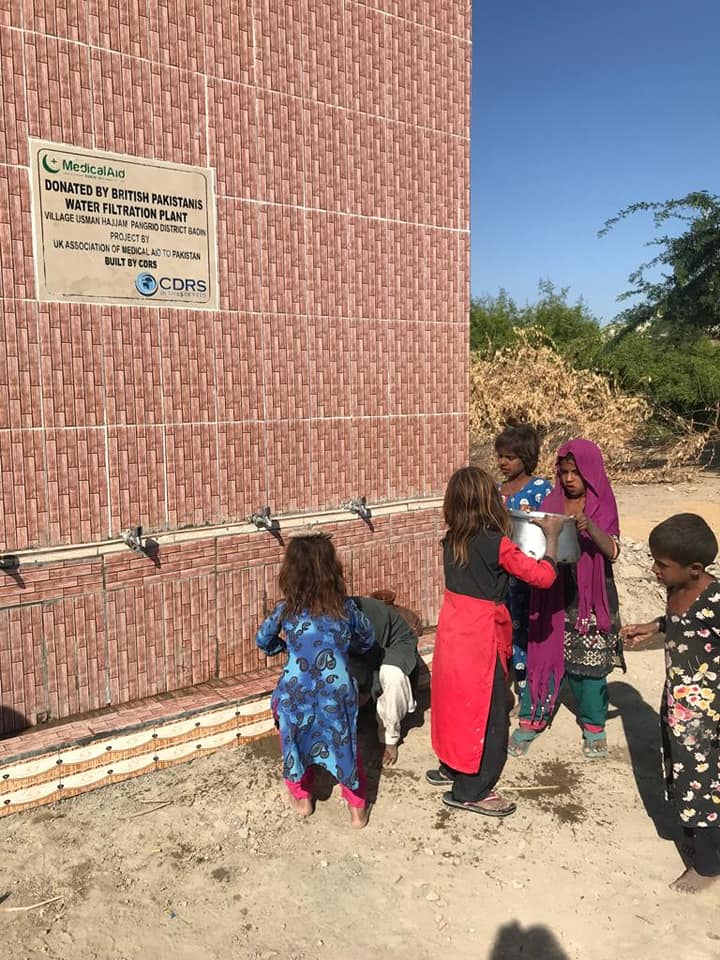
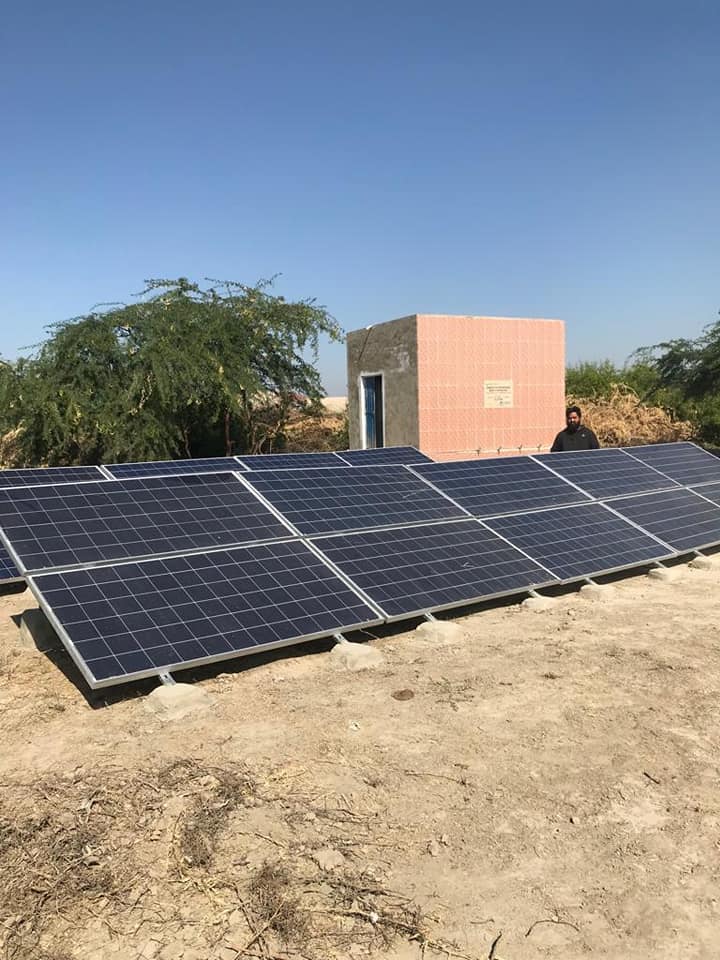
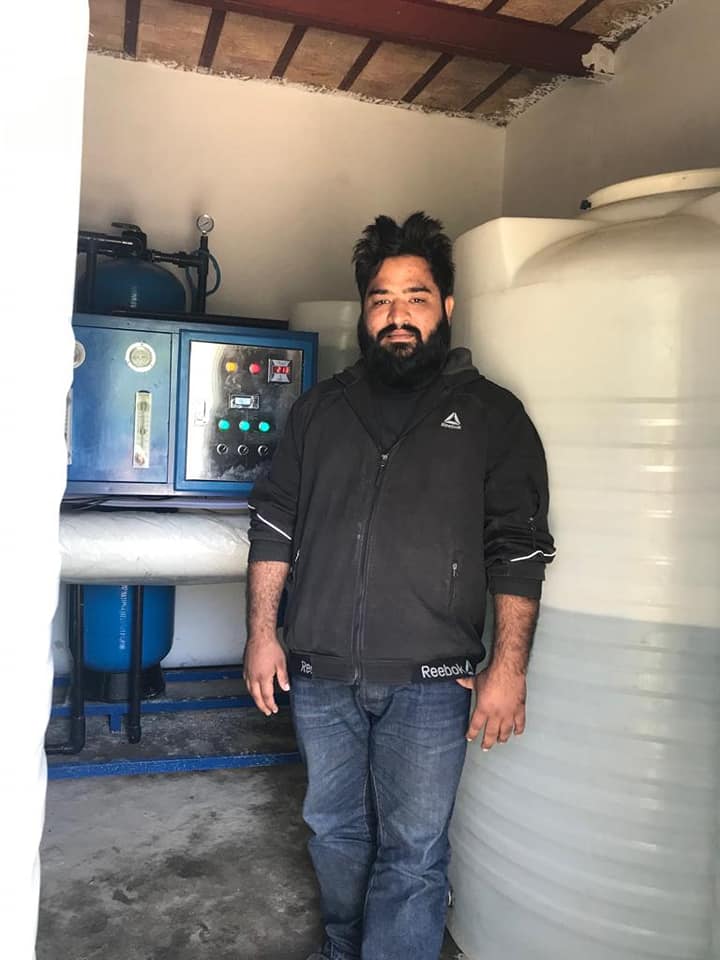
To address this, UKMAP supported the installation of a solar-powered reverse osmosis plant in the village of Usman Hajjam. The plant has a capacity of 10,000 gallons per day, enabling it to meet the daily drinking water needs of a large number of residents and their livestock. The system’s solar power supply ensures continuous operation in an area where electricity supply is erratic, while also keeping running costs manageable.
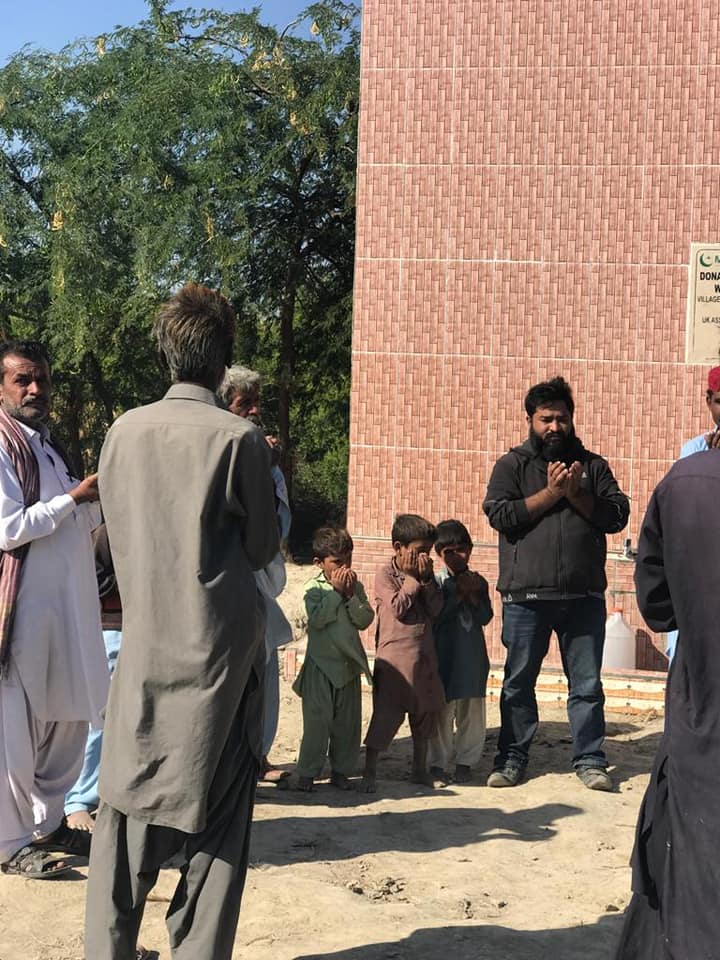
The facility was designed not only as a technical intervention but also as a community asset. Local operators have been trained to manage daily functioning, monitor output quality, and perform routine checks, helping to ensure the plant’s long-term viability.
Beneficiaries: 2,000–3,000 people and livestock daily
Impact:
The project has substantially improved water security for thousands of people. Access to clean, safe drinking water has reduced the incidence of waterborne diseases, improved children’s health and school attendance, and supported local livelihoods by ensuring healthier livestock. Women and children, previously responsible for collecting water from distant or unsafe sources, now have more time for education, household responsibilities, and income-generating activities.