
Access to safe drinking water in Pakistan is essential for protecting public health, reducing poverty, and promoting sustainable development. Yet, for millions of people across the country, clean drinking water remains out of reach. PCRWR data indicate that only 47% of Pakistan’s population currently has access to safe drinking water.
Water contaminated by bacteria, viruses, heavy metals, and industrial pollutants contributes to thousands of preventable illnesses every year, placing immense pressure on families and healthcare systems.
Ensuring universal access to safe drinking water in Pakistan is not only a public health priority but also a key requirement for achieving the United Nations Sustainable Development Goal 6 (Clean Water and Sanitation).
What Defines Safe Drinking Water?
Safe drinking water is water that is free from harmful microorganisms, toxic chemicals, and physical contaminants that could endanger human health. According to the World Health Organisation (WHO), drinking water should be free from disease-causing bacteria, viruses, parasites, and hazardous substances such as arsenic, fluoride, lead, and nitrates.
Unfortunately, many water sources across Pakistan fail to meet these standards due to inadequate treatment, poor distribution systems, and environmental pollution.
Why Is Drinking Water Becoming Unsafe?
Several interconnected factors continue to compromise safe drinking water in Pakistan, making water quality just as important as water availability.
Untreated Sewage
One of the leading causes of water contamination is the discharge of untreated municipal sewage into rivers, canals, and groundwater. In many cities, ageing water supply pipelines run alongside sewerage lines, increasing the risk of leakage and cross-contamination. During heavy rainfall and floods, these systems become even more vulnerable, allowing harmful pathogens to enter drinking water supplies.
Industrial Pollution
Industrial zones discharge untreated wastewater containing chemicals, heavy metals, and toxic substances into nearby water bodies. These pollutants eventually seep into groundwater or flow into rivers that supply drinking water to surrounding communities.
Agricultural Runoff
Pakistan’s agriculture sector relies heavily on fertilisers and pesticides to improve crop production. Rainfall and irrigation runoff carry these chemicals into rivers, lakes, and groundwater aquifers, reducing water quality and posing long-term health risks.
Climate Change and Flooding
Extreme weather events continue to worsen drinking water quality. Floodwaters often contaminate wells, boreholes, and surface water with sewage, animal waste, and hazardous chemicals, leaving millions without access to safe drinking water after major disasters.
What’s Really in Pakistan’s Drinking Water?
Water quality assessments conducted across Pakistan have identified several contaminants that regularly exceed national and international safety standards.
These include:
- Microbial contamination from bacteria such as Escherichia coli (E. coli) and total coliforms.
- Arsenic, detected above WHO guideline values in several districts of Punjab and Sindh.
- Fluoride, particularly in parts of Balochistan, where prolonged exposure can affect dental and skeletal health.
- Nitrates resulting from agricultural fertilisers.
- Salinity, especially in coastal Sindh due to seawater intrusion and groundwater degradation.
According to the Pakistan Council of Research in Water Resources (PCRWR), microbial contamination remains one of the most common reasons why drinking water samples fail quality assessments. About 20% of the whole population of Pakistan has access to safe drinking water.
The Health Risks of Unsafe Drinking Water
According to the World Health Organisation (WHO), around 25–30% of diseases are linked to gastrointestinal problems, many of which are caused by unsafe drinking water.
Common diseases associated with contaminated drinking water include:
- Diarrhoea
- Cholera
- Typhoid fever
- Hepatitis A and Hepatitis E
- Dysentery
- Giardiasis
Beyond infectious diseases, prolonged exposure to contaminants such as arsenic and fluoride can lead to chronic health conditions, including skin disorders, kidney disease, skeletal fluorosis, and an increased risk of certain cancers.
Why Water Quality Matters as Much as Water Availability
Providing communities with access to water is only part of the solution. If the available water is contaminated, families remain exposed to significant health risks despite having a nearby water source.
This distinction is reflected in global monitoring frameworks. According to the WHO and UNICEF Joint Monitoring Programme (JMP), only 45% of Pakistan’s population has access to safely managed drinking water services, even though a much larger proportion has access to a basic water source. Safe water must not only be available,it must also be free from harmful contaminants and accessible whenever needed.
Improving water quality therefore requires investments in water treatment facilities, regular quality monitoring, protected distribution systems, and stronger wastewater management.
How UK Association of Medical Aid to Pakistan (UKMAP) Is Providing Safe Drinking Water
UK Association of Medical Aid to Pakistan believes that every individual deserves access to clean and safe drinking water, regardless of where they live. Through sustainable community-based initiatives, the organisation works to improve water quality and reduce the burden of waterborne diseases across Pakistan.
Its programmes include:
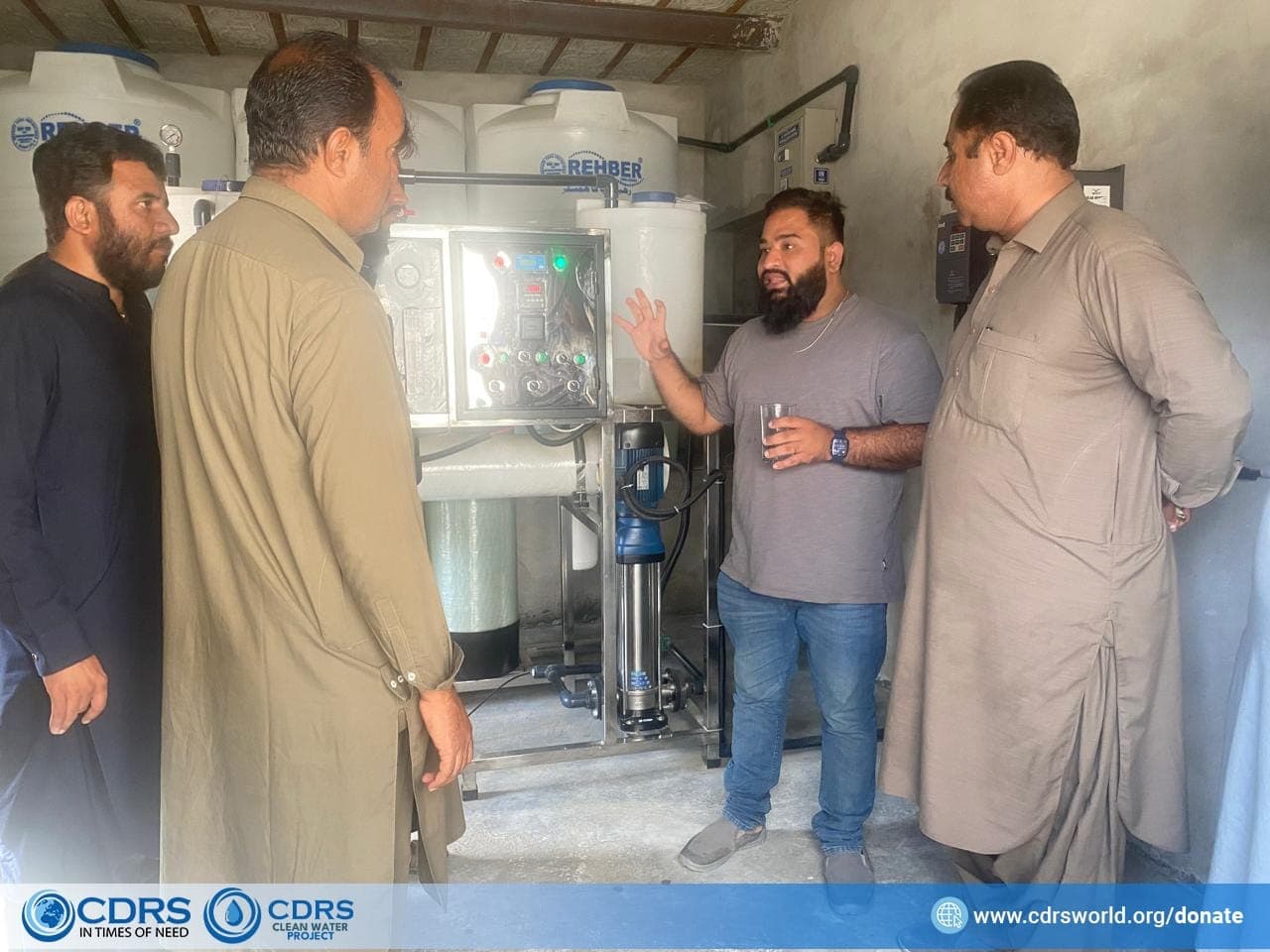
- Installing community water filtration plants.
- Constructing solar-powered water wells in underserved villages.
- Supporting rainwater harvesting initiatives.
- Providing emergency drinking water during floods and droughts.
- Promoting hygiene awareness and safe water storage practices.
- Partnering with local communities to develop sustainable water management solutions.
By addressing both water access and water quality, UKMAP contributes directly to United Nations Sustainable Development Goal 6 (Clean Water and Sanitation) while improving health, education, and livelihoods.
Conclusion
Access to safe drinking water in Pakistan is about more than meeting a basic human need; it is about protecting health, supporting education, reducing poverty, and creating opportunities for sustainable development. Although millions of Pakistanis continue to face challenges related to water quality, practical and community-driven solutions can make a lasting difference.
With continued investment, stronger water management, and collective action from governments, development partners, and organisations like UKMAP, Pakistan can move closer to a future where safe drinking water is available to every community. Ensuring clean water today is an investment in a healthier, more resilient tomorrow.
Your donation enables UK Association of Medical Aid to Pakistan to expand water filtration projects, install sustainable water systems, and reach vulnerable communities that continue to struggle with unsafe drinking water.