
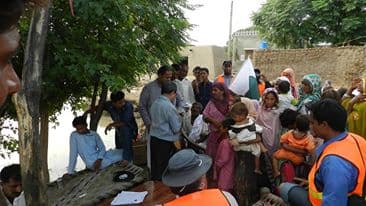
Hepatitis continues to affect millions of people across Pakistan, placing a heavy burden on individuals, families, and the healthcare system. Preventing hepatitis is not only more effective than treating advanced liver disease but also more affordable for families and the healthcare system.
Pakistan carries the world’s highest burden of hepatitis C, with around 10 million people affected, alongside an estimated 3.8 million living with hepatitis B. Yet only 25–30% of those infected are aware of their condition, leaving millions without access to potentially life-saving treatment.
While these infections can cause serious liver disease, many new cases can be prevented through vaccination, safe healthcare practices, early screening, and public awareness. Strengthening prevention efforts today can help protect future generations from avoidable illness and save thousands of lives.
What is the Difference Between Hepatitis B and Hepatitis C?
Although hepatitis B and hepatitis C both affect the liver, they differ in important ways.
Hepatitis B can be prevented through a safe and effective vaccine that has been used worldwide for decades. Hepatitis C, however, does not yet have an approved vaccine, making infection prevention and early diagnosis even more important.
Both diseases can become chronic if left untreated and may eventually lead to liver cirrhosis, liver failure, or liver cancer. Because many infected individuals experience few or no symptoms during the early stages, routine screening plays a vital role in reducing the spread of both viruses.
Why Prevention Is the Most Effective Defence Against Hepatitis?
Preventing hepatitis protects individuals before the disease develops and reduces pressure on Pakistan’s healthcare system. Every infection prevented also lowers the risk of transmission within families and communities.
Effective prevention includes:
- Vaccination against hepatitis B
- Safe injection practices
- Proper sterilisation of medical and dental equipment
- Screening donated blood before transfusions
- Early hepatitis testing for at-risk individuals
- Public education on disease transmission
- Safe handling of medical waste
These interventions have proven effective in reducing hepatitis transmission in many countries and remain central to Pakistan’s public health efforts.
The Role of Hepatitis B Vaccination
Vaccination remains the most effective way to prevent hepatitis B infection.
The World Health Organisation recommends that every newborn receive a hepatitis B vaccine birth dose as soon as possible after delivery, followed by the complete routine immunisation schedule during infancy. High vaccination coverage protects children from lifelong infection and reduces future transmission within communities.
Parents should also ensure that children complete all recommended vaccine doses to achieve long-term protection.
Safe Healthcare Practices Protect Patients and Healthcare Workers
Many hepatitis infections can be prevented by strengthening infection prevention measures across healthcare facilities.
Healthcare providers should consistently use:
- New, sterile syringes for every patient
- Properly sterilised surgical and dental instruments
- Safe blood screening procedures
- Strict infection prevention protocols
- Appropriate disposal of used needles and medical waste
Patients can also play an important role by ensuring that healthcare providers use unopened syringes and sterile medical equipment whenever possible.
Why Early Screening Matters Even Without Symptoms
One of the greatest challenges in controlling hepatitis is that many infected individuals do not realise they have the disease.
Routine screening allows healthcare professionals to diagnose hepatitis before severe liver damage develops. Early detection also enables timely treatment, reduces complications, and helps prevent further transmission.
Testing is particularly important for:
- Healthcare workers
- Pregnant women
- Individuals with previous blood transfusions
- People who have undergone multiple invasive medical procedures
- Individuals with a family history of viral hepatitis
- People with unexplained liver disease
Expanding access to affordable screening services is essential for improving public health outcomes across Pakistan.
Community Awareness Is Key to Reducing Hepatitis Transmission
Public education remains one of the most effective tools in hepatitis prevention.
Many misconceptions about hepatitis continue to circulate, leading to unnecessary fear and delayed medical care. Community awareness campaigns help people understand how hepatitis spreads, how it can be prevented, and why early diagnosis is essential.
Educational programmes delivered through schools, healthcare facilities, religious institutions, and local organisations can encourage healthier behaviours while reducing stigma surrounding viral hepatitis.
Supporting the United Nations Sustainable Development Goals
Strengthening Hepatitis Prevention in Pakistan directly supports United Nations Sustainable Development Goal 3 (Good Health and Well-being), particularly Target 3.3, which aims to eliminate viral hepatitis as a public health threat by 2030.
Investing in vaccination, disease prevention, healthcare access, and public education also contributes to stronger healthcare systems and healthier communities throughout Pakistan.
How UK Association of Medical Aid to Pakistan (UKMAP) Is Advancing Hepatitis Prevention in Pakistan
UKMAP believes that preventing disease is one of the most effective ways to improve public health.
The organisation works with healthcare professionals and local communities to expand hepatitis prevention through:
- Free community screening programmes
- Public health awareness campaigns
- Support for hepatitis B vaccination initiatives
- Health education workshops in underserved communities
- Referrals for diagnosis and medical treatment
- Community outreach promoting safe healthcare practices
By focusing on prevention and early intervention, UK Association of Medical Aid to Pakistan is helping reduce the burden of viral hepatitis while supporting Pakistan’s progress toward achieving the Sustainable Development Goals.
A Healthier Pakistan Begins with Prevention
Preventing hepatitis requires a shared commitment from governments, healthcare providers, charitable organisations, and individuals. Every vaccinated child, every safe medical procedure, and every person diagnosed early brings Pakistan closer to reducing the burden of viral hepatitis.
By investing in awareness, prevention, and accessible healthcare today, Pakistan can protect future generations from diseases that are increasingly preventable and, in many cases, treatable.