
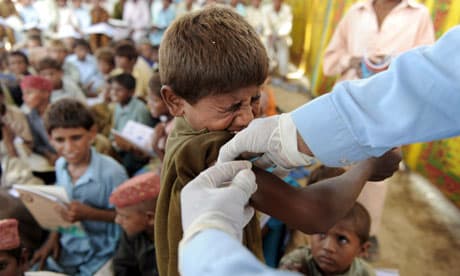
Viral hepatitis remains one of Pakistan’s most pressing public health concerns, affecting an estimated 12.5 million people living with chronic hepatitis B or hepatitis C, according to the World Health Organisation (WHO). While the burden remains high, hepatitis is one of the few infectious diseases for which elimination is considered an achievable global health goal.
With effective vaccines for hepatitis B, curative treatments for hepatitis C, and proven prevention strategies, Pakistan has the opportunity to reduce new infections and hepatitis-related deaths over the coming years.
Pakistan can eliminate hepatitis through continued investment in healthcare infrastructure, early screening, and safer medical practices. Success also depends on public awareness and coordinated efforts between government institutions, healthcare providers, charitable organisations, and local communities.
What Does Hepatitis Elimination Mean?
Hepatitis elimination does not mean that every case of hepatitis disappears completely. Instead, it refers to reducing new infections and hepatitis-related deaths to levels where the disease is no longer considered a major public health threat.
The World Health Organisation’s Global Health Sector Strategy outlines ambitious targets for 2030, including:
- Reducing new hepatitis B and C infections by 90%
- Reducing hepatitis-related deaths by 65%
- Expanding access to hepatitis testing and treatment
- Increasing vaccination coverage for hepatitis B
- Strengthening infection prevention in healthcare settings
Reaching these targets requires coordinated action across every level of the healthcare system.
Pakistan’s Progress in Addressing Viral Hepatitis
Pakistan has made encouraging progress in strengthening hepatitis prevention and control over the past decade.
National efforts have focused on:
- Expanding routine childhood immunisation against hepatitis B
- Improving blood screening procedures
- Increasing public awareness about viral hepatitis
- Introducing highly effective antiviral medicines for hepatitis C
- Expanding hepatitis screening services in many healthcare facilities
These initiatives have improved access to prevention and treatment for many people. However, continued investment is needed to ensure that healthcare services reach underserved communities across the country.
Key Challenges That Continue to Slow Hepatitis Elimination
Although progress has been made, several challenges continue to affect Pakistan’s ability to eliminate viral hepatitis.
Limited Access to Early Diagnosis
Millions of people remain unaware they are living with hepatitis because the disease often develops without symptoms during its early stages. Delayed diagnosis increases the risk of liver damage and ongoing transmission.
Healthcare Inequalities
Specialised diagnostic services and treatment facilities are more readily available in urban centres than in many rural districts. Geographic and financial barriers continue to affect access to quality healthcare.
Unsafe Medical Practices
While infection prevention standards have improved, unsafe injections, inadequate sterilisation of medical equipment, and poor infection control practices still contribute to new infections in some settings.
Public Awareness and Stigma
Misconceptions about hepatitis discourage some individuals from seeking testing or treatment. Increasing awareness can help reduce stigma and encourage earlier diagnosis.
Why Early Screening and Treatment Are Important?
Eliminating hepatitis depends on identifying infections before complications develop.
Routine screening allows healthcare professionals to diagnose patients early, provide appropriate treatment, and reduce the likelihood of further transmission. For hepatitis C, modern direct-acting antiviral medicines can cure more than 95% of patients, while people living with hepatitis B can benefit from regular monitoring and antiviral treatment when clinically indicated.
Expanding affordable screening services across Pakistan will be essential to achieving national elimination goals.
Strengthening Healthcare Systems to Achieve Long-Term Success
A successful hepatitis elimination strategy extends beyond hospitals and clinics. It requires stronger healthcare systems that prioritise prevention, early diagnosis, and equitable access to care.
Key priorities include:
- Expanding laboratory and diagnostic capacity
- Training healthcare professionals in infection prevention
- Improving vaccination coverage
- Ensuring safe blood transfusion services
- Promoting safe injection practices
- Strengthening disease surveillance and reporting
- Expanding healthcare services in underserved communities
These investments not only support hepatitis elimination but also strengthen Pakistan’s overall healthcare system.
Supporting the United Nations Sustainable Development Goals
Efforts aimed at Hepatitis Elimination in Pakistan directly contribute to United Nations Sustainable Development Goal 3 (Good Health and Well-being), particularly Target 3.3, which calls for ending viral hepatitis as a public health threat by 2030.
Improving healthcare access, disease prevention, and community education also supports broader objectives related to universal health coverage, healthier populations, and sustainable development.
By aligning national health initiatives with the Sustainable Development Goals, Pakistan can build stronger healthcare systems while improving the quality of life for millions of people.
How UK Association of Medical Aid to Pakistan (UKMAP) Is Supporting the Fight Against Hepatitis
UKMAP is committed to supporting Pakistan’s efforts to reduce the burden of viral hepatitis through sustainable, community-based healthcare initiatives.
The organisation contributes by:
- Organising free hepatitis screening camps
- Supporting vaccination and prevention programmes
- Conducting community awareness campaigns
- Promoting safe healthcare and infection prevention practices
- Connecting patients with healthcare providers for diagnosis and treatment
- Delivering health education in underserved communities
Working alongside healthcare professionals and local partners, UK Association of Medical Aid to Pakistan helps expand access to essential healthcare services while supporting national efforts to eliminate viral hepatitis.
Working Together to Eliminate Hepatitis in Pakistan
Eliminating hepatitis is an achievable goal, but success depends on collective action. Government leadership, healthcare professionals, civil society organisations, and local communities all have an important role to play in reducing new infections and ensuring that every person has access to prevention, diagnosis, and treatment.
With stronger healthcare systems, expanded awareness, and continued investment in public health, Pakistan can move closer to a future where viral hepatitis no longer threatens the health and well-being of millions of people.