
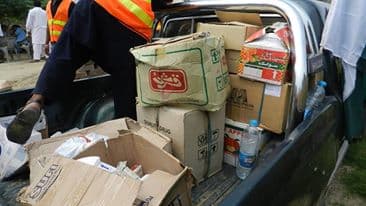
Floods are among the most destructive natural disasters affecting Pakistan, but the greatest danger often emerges after the water begins to recede. While damaged homes, washed-out roads, and displaced families receive immediate attention, contaminated drinking water, poor sanitation, and stagnant floodwater create conditions for widespread disease outbreaks that can persist for weeks or even months.
Pakistan has experienced consecutive years of severe flooding, highlighting the growing impact of climate change on public health. Communities in Sindh, Balochistan, Khyber Pakhtunkhwa (KP), Punjab, Gilgit-Baltistan, and Azad Jammu & Kashmir (AJK) continue to face repeated cycles of displacement, infrastructure damage, and disease outbreaks.
These recurring disasters demonstrate that flood recovery is not only about rebuilding homes; it is also about protecting communities from preventable illnesses.
Pakistan’s Recent Floods at a Glance
The table below illustrates how recurring floods have continued to affect lives and infrastructure across Pakistan.
| Year | Estimated Fatalities | Injuries Reported | Most Affected Areas | Key Highlights |
| 2023 | 150+ | 250+ | Sindh, Balochistan, KP, South Punjab | Heavy monsoon rains triggered flash floods, damaging homes, roads, and water infrastructure while displacing thousands of families. |
| 2024 | 380+ | 500+ | Gilgit-Baltistan, KP, Sindh, Balochistan | Cross-border flooding and intense rainfall caused extensive infrastructure damage, disrupted livelihoods, and affected access to healthcare and clean water. |
| 2025 | 150+ | Hundreds | Punjab, KP, Balochistan, AJK, Islamabad Region | Record-breaking rainfall in areas including Chakwal and Rawalpindi led to flash floods, dam overflows, emergency evacuations, and renewed concerns over water safety. |
These repeated disasters show how flooding has become a recurring national challenge rather than an isolated emergency. Each flood increases pressure on healthcare services and exposes vulnerable communities to serious health risks.
Floodwater Carries More Than Rain
Floodwater is rarely clean. As rivers overflow and drainage systems collapse, floodwater mixes with untreated sewage, household waste, agricultural chemicals, and industrial pollutants. Wells, hand pumps, and community water sources that families rely on for drinking water often become contaminated.
In many flood-affected villages, families have little choice but to use polluted water for drinking, cooking, and washing until safe water supplies are restored. This creates ideal conditions for infectious diseases to spread quickly, particularly where sanitation facilities have been damaged.
Following the catastrophic 2022 floods, UNICEF reported that more than 10 million people in flood-affected areas still lacked access to safe drinking water months after the disaster, demonstrating how long water-related challenges can persist.
Why Do Disease Outbreaks Increase After Floods?
Floods create the perfect environment for both waterborne and mosquito-borne diseases.
Contaminated drinking water increases the spread of:
- Cholera
- Typhoid fever
- Acute diarrhoeal diseases
- Dysentery
- Hepatitis A
- Hepatitis E
At the same time, stagnant pools of water become breeding grounds for mosquitoes, contributing to rising cases of:
- Malaria
- Dengue fever
The number of suspected malaria cases in Pakistan increased significantly, rising from 2.4 million in 2021 to 3.6 million in 2022.
Behind Every Statistic Is a Family Struggling to Recover
Imagine a family living in rural Sindh after their village has been flooded.
Their home has been damaged, their livestock lost, and the nearest health facility is several kilometres away. The family’s only available water comes from a nearby pond contaminated by floodwater. Within days, young children begin suffering from severe diarrhoea, while mosquito populations multiply around temporary shelters, increasing the risk of malaria and dengue fever.
This scenario reflects the reality experienced by thousands of families after major floods across Pakistan. Recovering from a disaster involves much more than rebuilding houses; it also means restoring access to clean water, healthcare, and safe sanitation facilities before preventable diseases take hold.
Recovery Begins with Safe Water and Stronger Communities
Preventing disease outbreaks after floods requires coordinated action long after emergency rescue operations have ended.
Communities need:
- Emergency access to clean drinking water
- Water purification and filtration systems
- Temporary sanitation facilities
- Mobile healthcare clinics
- Hygiene kits and health education
- Mosquito control measures
- Rapid restoration of damaged water infrastructure
Investing in these services not only reduces disease outbreaks but also helps families recover more quickly and strengthens community resilience against future disasters.
Supporting the United Nations Sustainable Development Goals
Reducing Flood-Related Diseases in Pakistan contributes directly to several United Nations Sustainable Development Goals (SDGs).
- SDG 3 – Good Health and Well-being: Preventing disease outbreaks and improving emergency healthcare services.
- SDG 6 – Clean Water and Sanitation: Expanding access to safe drinking water and improving sanitation infrastructure.
- SDG 13 – Climate Action: Strengthening community resilience against climate-related disasters and reducing future risks.
Together, these goals encourage long-term solutions that protect both people and the environment.
How UK Association of Medical Aid to Pakistan (UKMAP) Is Helping Communities Recover After Floods
At UKMAP, we understand that recovery does not end when the floodwaters disappear.
Our programmes focus on restoring health, dignity, and resilience by:
- Providing emergency access to safe drinking water
- Installing water filtration and purification systems
- Supporting hygiene and sanitation initiatives
- Delivering mobile healthcare services to affected communities
- Promoting disease prevention through community education
- Investing in sustainable water solutions that strengthen long-term resilience
By addressing both immediate needs and long-term recovery, UK Association of Medical Aid to Pakistan helps communities rebuild healthier and more secure futures.